Top Home Addition Contractors in East Palo Alto for Room Extensions
Upgrade Your Home: Fresh Ideas for Impressive Home Additions
Upgrading a home through well-considered additions can substantially boost both its functionality and aesthetic appeal. From light-filled sunrooms that embrace the outdoors to spacious decks ideal for gatherings, the options are plentiful. Extending vital areas like kitchens promotes meaningful interaction, while a garage can solve storage dilemmas. Appreciating core design factors and careful planning is crucial. Yet, what genuinely motivates homeowners to pursue these improvements? The answer rests in the remarkable impact of expertly completed home additions.
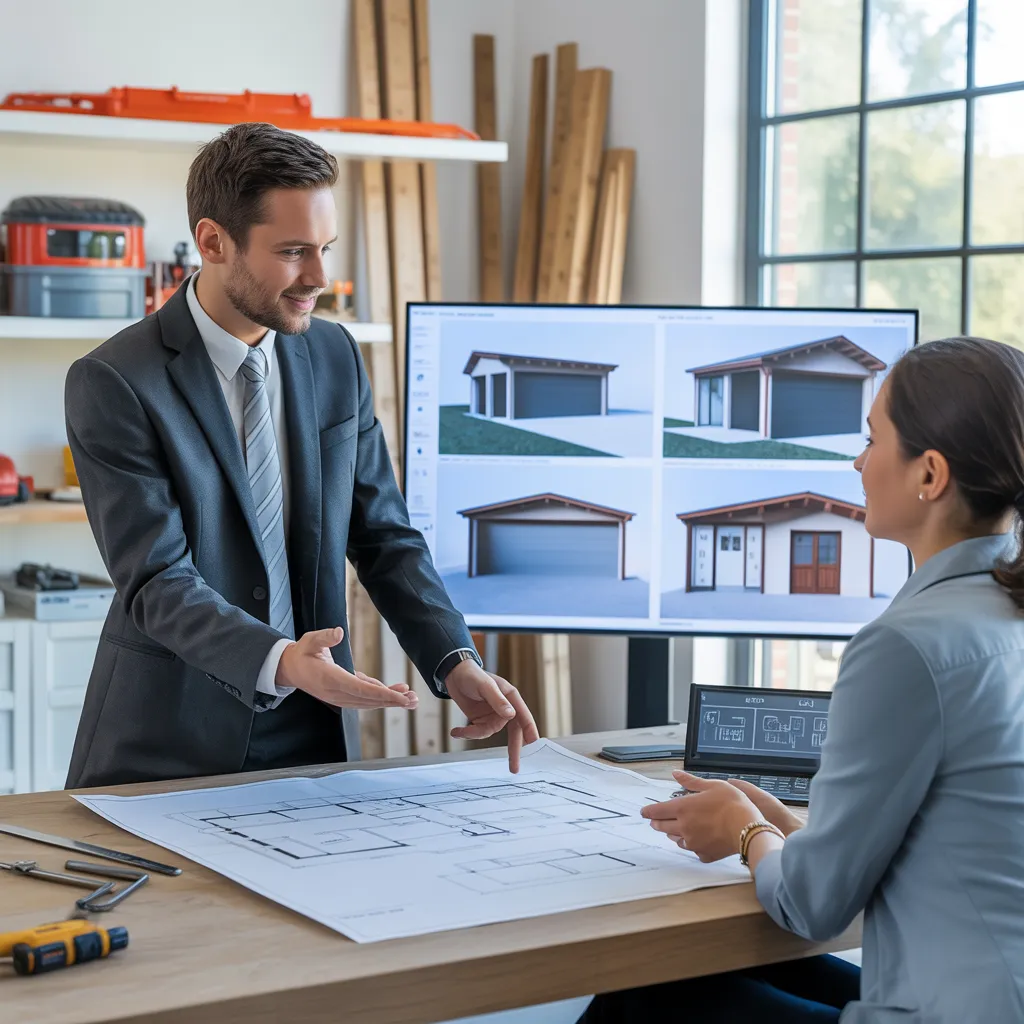
Discover Top Home Addition Ideas to Elevate Your Space
Homeowners often seek innovative ways to enhance their living environments, and examining well-known home expansion options can deliver meaningful changes. One highly popular choice is incorporating a sunroom, which allows sunlight to flow inside while forming a tranquil area for rest. A similarly desirable addition is a deck or patio, extending the living area outdoors and perfect for entertaining.
Homeowners may also consider enlarging their kitchen spaces, making them more functional and inviting. A garage extension not only supplies more storage capacity but may also be used as a dedicated workspace or hobby area.
For those needing additional sleeping quarters, a bedroom addition can offer essential privacy and comfort. Additionally, converting attics or basements into livable spaces presents an opportunity for creative design while maximizing existing square footage. All of these concepts carry the potential to improve both practicality and visual appeal, ultimately turning a home into a more pleasant living space.
Ways Home Additions Can Improve Your Lifestyle?
Home additions can greatly enhance living space, giving families the space they need to grow and adapt. Moreover, expanding a home can lead to increased property value, making it a wise financial investment. Lastly, these additions often foster deeper family connections by developing common areas for shared activities and gatherings.
Upgrade Living Space
Expanding a living space through home additions can significantly transform one's way of living by delivering greater functionality and comfort. For growing families, extra rooms can accommodate growing needs, such as a dedicated play area for kids or a dedicated home office. A carefully planned addition can establish a smooth connection between indoor and outdoor spaces, fostering social interaction and relaxation. Additionally, including elements like large windows or open floor plans encourages a sense of openness and connection with nature. Upgraded home spaces also support customized design decisions, reflecting personal tastes and preferences. Ultimately, home additions not only optimize existing areas but also create environments that promote well-being and improve daily living experiences.
Improve Property Value
Investing in residential expansions can greatly elevate a property's market value, making it a wise financial decision. By expanding square footage or introducing useful living zones, sellers can appeal to interested purchasers and increase resale prices. Features such as additional bedrooms, updated kitchens, or flexible living spaces often yield significant returns on investment. Furthermore, additions including sunrooms or patios not only improve aesthetics but also cater to modern lifestyle preferences, further boosting desirability. A thoughtfully executed addition can convert a property into a higher-value investment, reflecting the current market trends and buyer preferences. Ultimately, strategic home additions serve as a smart approach to maximizing property value while improving the day-to-day lifestyle of existing residents.
Foster Family Connections
A thoughtfully planned addition can greatly improve family connections by creating spaces that encourage interaction and closeness. Open-concept designs, such as family rooms or generous kitchens, function as hubs for shared activities, fostering communication and connection. Designated areas for hobbies or playrooms offer children a place to explore, while adults can enjoy nearby social spaces. Moreover, including outdoor living spaces, like patios or decks, enables families to come together in a relaxed environment. These additions not only promote everyday connections but also create a backdrop for lasting gatherings and celebrations. In the end, thoughtfully designed home additions transform living environments into enriching spaces that deepen family ties, elevating overall quality of life.
Important Design Elements to Elevate Your Home Addition
As homeowners plan a home addition, incorporating key design components can greatly enhance both aesthetics and functionality. Key elements include natural light, which can be attained with large windows or skylights, creating a bright and inviting space. Additionally, an open floor plan fosters effortless movement between existing and new areas, fostering a sense of continuity.
Using harmonious materials and color schemes guarantees the new addition blends seamlessly with the existing structure, upholding design consistency. Thoughtful positioning of furniture and installations elevates functionality, ensuring the area serves everyday needs. Connections to outdoor spaces, for example a patio or deck, serve to enlarge living spaces and inspire outdoor engagement. Additionally, energy-saving design solutions, incorporating sufficient insulation and environmentally friendly materials, promote enduring cost reductions and environmental stewardship. By concentrating on these fundamental design principles, residents can craft a harmonious and stunning addition that enriches their home life.
Plan Your Home Addition Project Effectively
Careful planning is critical for a well-executed home addition endeavor. Property owners should commence by establishing their objectives, whether it's creating more living space, improving usability, or elevating the property's worth. Establishing a clear vision serves to navigate the design and construction process. Additionally, reviewing regional zoning ordinances and construction codes is essential to guarantee compliance and avoid potential setbacks.
Establishing a schedule that defines each step of the process assists in ensuring focus and accountability. Property owners may also want to consider working with specialists, for example architects or contractors, to gain expert recommendations and keep the project on track.
Moreover, focusing on communication among team members encourages teamwork and resolves challenges in a timely manner. Lastly, anticipating future requirements can aid in designing an addition that remains functional over time. By adhering to these guidelines, homeowners are better equipped to manage their home addition projects with assurance and direction.
Home Addition Budgeting: Important Tips to Know
Creating a budget for a home addition necessitates meticulous planning and consideration to prevent unforeseen costs. Property owners should start by identifying a reasonable budget that covers all aspects of the project, including permits, materials, labor, and unforeseen expenses. It is wise to reserve a further 10-20% of the entire budget for unforeseen situations.
Researching and comparing costs from various contractors may yield important knowledge and support better decision-making. Furthermore, homeowners ought to distinguish between their needs and desires, ensuring that essential features are included while remaining within budget.
Developing a comprehensive get more info timeline can assist in aligning expenses with development milestones, reducing financial strain. Ultimately, consulting with a financial advisor or a building expert can provide further clarity on likely costs and payment alternatives, making certain that the finances stay controlled throughout the home expansion project. This calculated method contributes to a successful and financially sound residential expansion.
Real-Life Home Addition Projects That Will Inspire You
Stunning home addition renovations showcase the incredible potential of living spaces. A prime example is a small single-story home that experienced a transformative renovation with a clean-lined, modern extension. By including a generous kitchen and entertaining area, the owners improved their kitchen functionality while developing a cozy communal area for relatives and companions.
Another transformation features a compact dwelling that grew upward with a charming loft, maximizing space while introducing a comfortable reading corner. This clever design not only enhanced practicality but also gave the residence a distinctive charm.
Ultimately, a suburban ranch-style house adopted a modern style with a fully glazed sunroom, flooding the interior with natural light and revealing spectacular sights of the garden at the rear of the property.
These real-world transformations showcase the diverse possibilities for home additions, encouraging homeowners to imagine their own distinctive upgrades and transform their living spaces.
Frequently Asked Questions
What Permits Are Necessary for a Home Addition Project?
For those planning a home addition project, homeowners generally require the appropriate building permit, zoning clearance, and potentially permits for electrical or plumbing work. Building codes and regulations vary by location, so checking with your municipal office is crucial to ensure all requirements are met.
What Is the Typical Timeline for Completing a Home Addition?
A typical home addition generally takes between two to six months to be completed, based on factors including complexity, size, weather conditions, and permits. Proper planning and contractor efficiency can influence the timeline considerably.
Can I Live in My Home During the Addition Process?
Yes, homeowners can often live in their homes during the construction addition process. However, considerations like the project's scale, location, and sound levels may affect accessibility and comfort, necessitating temporary adjustments or accommodations during the building process.
What Are the Most Common Mistakes to Avoid When Planning an Addition
Typical pitfalls to steer clear of during addition planning encompass failing to accurately estimate expenses, ignoring necessary building permits, overlooking structural integrity, not considering long-term requirements, and failing to seek expert guidance. Careful planning guarantees smoother execution and better results.
How Should I Go About Choosing the Right Contractor for My Project?
To select the best contractor, it is important to investigate experience, examine testimonials, and ensure clear communication. Comparing multiple bids and examining prior experience can help determine trustworthiness and alignment for the specific home addition project.